Centre for Excellence in Indigenous Health Staff Directory
Our Directors

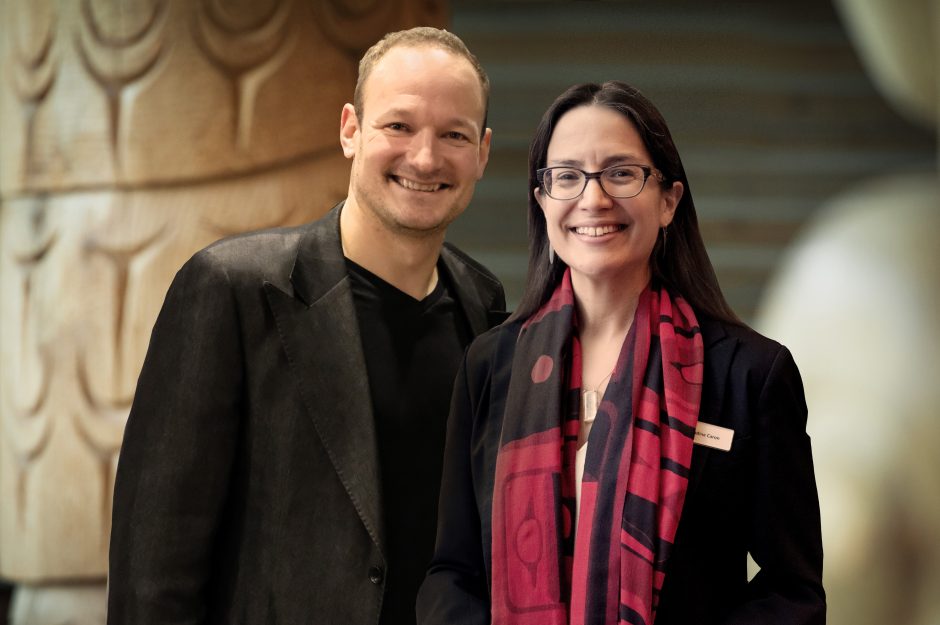
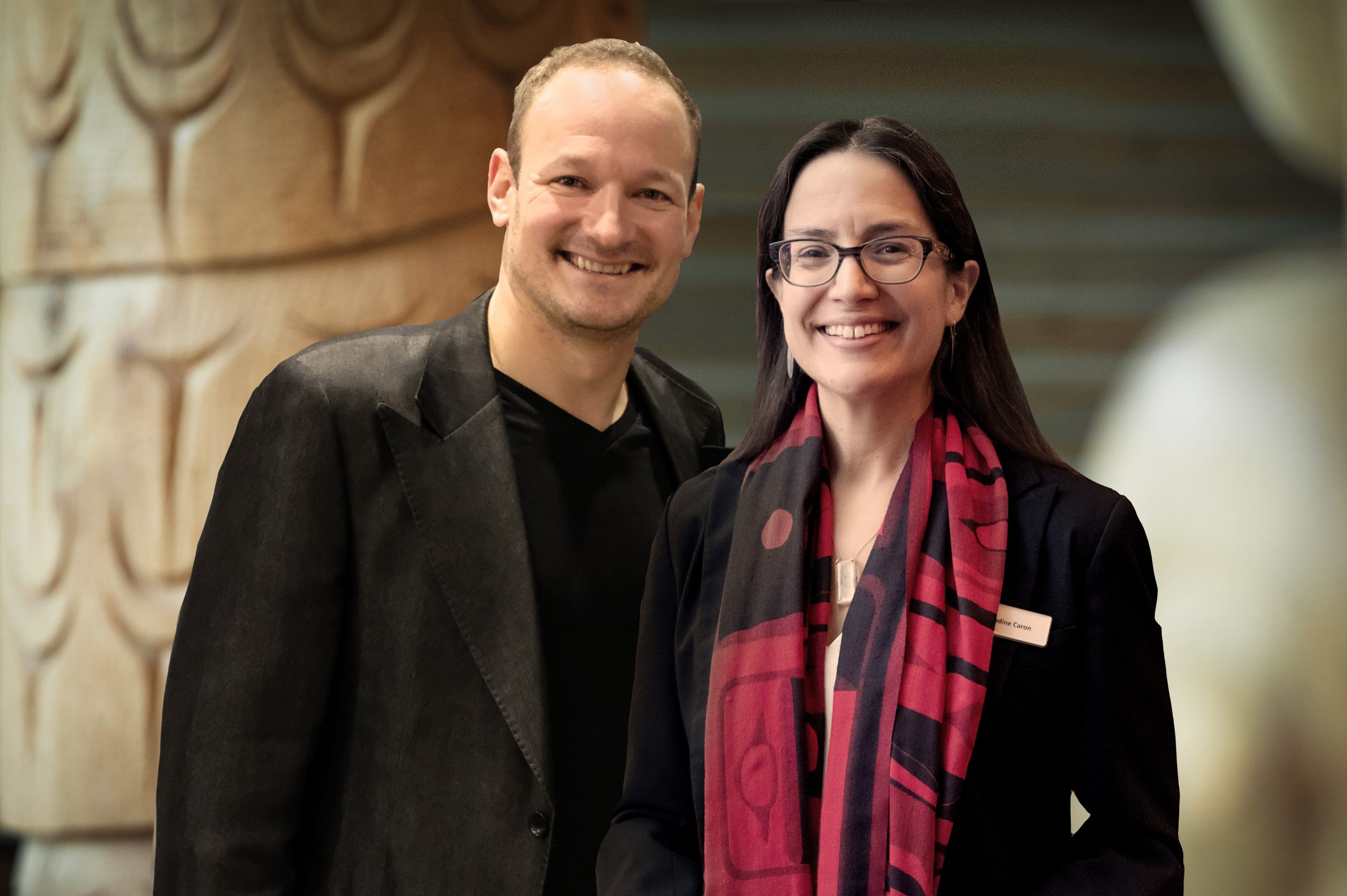
Dr. Nadine Caron
MD, MPH, FRCSC – Professor, Dept. of Surgery, Faculty of Medicine (NMP), Director of Centre for Excellence in Indigenous Health
Dr Nadine Caron currently resides in Prince George, BC where she provides surgical oncology care for those that call rural and remote Canada home. Nadine is also an associate professor in the UBC Faculty of Medicine’s Department of Surgery where she teaches in the Northern Medical Program. During her surgical residency, Nadine completed a Master’s in Public Health from Harvard University and was awarded UBC’s Top Student Award. Nadine is also appointed as an Associate Faculty member of the Bloomberg School of Public Health, Johns Hopkins University where she teaches for the Center for American Indian Health.Nadine is Anishnawbe from Sagamok First Nation. Her work involves a variety of audiences and knowledge users including governments, provincial health authorities, national medical organizations, health research funding bodies, and several universities to achieve identified and overlapping objectives. In 2014, Dr Caron was appointed Co-Director of the UBC Centre for Excellence in Indigenous Health located at UBC’s School of Population and Public Health.
Dr. Patricia Spittal
Associate Director, Research
Dr. Patricia Spittal is an anthropologist whose work addresses HIV related vulnerabilities of marginalized communities living in both resource rich and poor countries. She is the Principal Investigator of the Cedar Project, a CIHR-funded initiative to better understand the sexual and drug related vulnerabilities of Aboriginal youth who use drugs. She and her research team from Makerere University College of Health Sciences in Kampala, Uganda and Lacor Hospital, Gulu also received CIHR funding to establish a similar prospective cohort in Northern Uganda called the “Cango Lyec Project” (Healing the Elephant), addressing the HIV vulnerabilities of people affected by conflict in Northern Uganda. Dr. Spittal worked with a multi-disciplinary team leading to the successful development of the new Centre for Excellence in Indigenous Health. As Head, she is committed to building the Health in Populations Division at the School of Population and Public Health, and furthering Aboriginal health initiatives at UBC. She is also dedicated to her work in Northern Uganda. She was instrumental in the recent signing of a MOU between the Makerere University College of Health Sciences in Uganda and UBC’s Faculty of Medicine, and currently has two PhD students being mentored by faculty at Makerere.

Dr. Martin Schechter
Co-Director Professor Emeritus at SPPH
Dr. Martin Schechter is a professor, and was the Founding Director, School of Population and Public Health at the University of British Columbia.
Martin combines interests in clinical epidemiology and health services research with HIV/AIDS and urban health research. He is Co-Director of the recently established Centre for Excellence in Indigenous Health at UBC. He was a co-founder of the CIHR Canadian HIV Trials Network, a national network of investigators and research facilities aimed at conducting trials of HIV therapies, preventions, and vaccines and served as national director of the Network from 1993 to 2014.
Martin co-founded the BC Centre for Excellence in HIV/AIDS and served as its first Director of Epidemiology and Population Health; he is a former director of the Centre for Health Evaluation and Outcome Sciences (CHÉOS). He was the founding President, Canadian Association for HIV Research and co-chaired the XI International Conference on AIDS in Vancouver in 1996. He was President of the Canadian Academy of Health Sciences from 2007 to 2009 and served on the Board of Governors of the Council of Canadian Academies during that time. Martin joined the Michael Smith Foundation for Health Research in 2006 as its first Chief Scientific Officer.
Martin is the author of more than 350 peer-reviewed publications and 590 abstracts and scholarly presentations. In 1994, he was invested into the Order of British Columbia for his contributions to research. He received the Science Council of British Columbia Gold Medal in 2002, fellowship in the Royal Society of Canada in 2004, and fellowship in the Canadian Academy of Health Sciences in 2005.
Our Staff
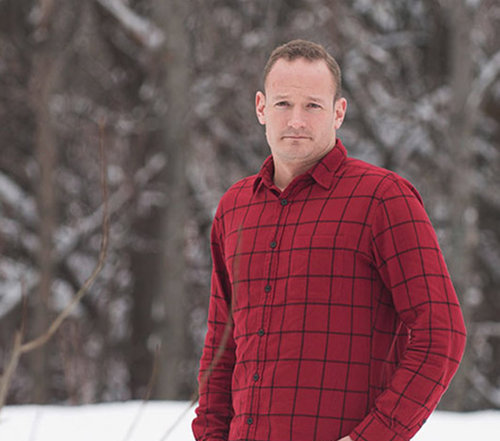
Drew St. Laurent
BA, B.Ed, M.Ed – Director of Operations
Drew St. Laurent, BA, B.Ed, M.Ed is of Métis (Cree) and German ancestry, born in Winnipeg, Manitoba. Drew grew up in the community of Powell River, British Columbia on (Tla’amin) Coast Salish territory.
Drew holds a Bachelor of Arts (Human Geography) from Thompson Rivers University, as well as a Bachelor of Education (Secondary) and Master of Education (Higher Education) from the University of British Columbia. During his graduate studies, he focused on Aboriginal access to post-secondary education within Canada. Drew has been a primary leader in the area of Aboriginal post-secondary access to education and presented his work to a variety of audiences including post-secondary institutions, provincial and federal governments and health authorities. He has worked as an administrator within Health Sciences at UBC since 2012.
Drew is an active member of the Canadian Association of College and University Student Services (CACUSS) and sits on both the Aboriginal Recruitment and Retention Committee, and the Aboriginal Mental Health and Wellness Committee at the University of British Columbia. He is passionate about advancing Indigenous people’s access to healthcare through education and promoting Indigenous leadership of all aspects related to healthcare.
Email: drew.stlaurent@ubc.ca | Phone: (604) 822-5586 | Preferred Pronouns: he/him/his
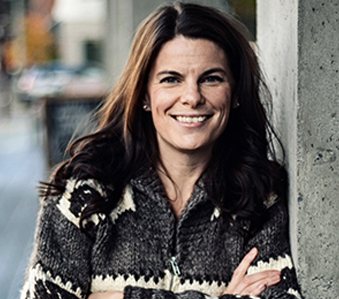
Shannon Waters
Associate Faculty
Shannon Waters is Coast Salish and a member of the Stz’uminus First Nation on Vancouver Island. After completing medical school at UBC, Dr. Waters went on to train at the Indigenous site of UBC’s family medicine residency program, followed by an additional residency in public health and preventative medicine.
Today, Dr. Waters is committed to improving First Nations health as a Clinical Assistant Professor at UBC’s School of Population and Public Health, as well as the Aboriginal Medical Director for the Vancouver Island Health Authority and the Acting Aboriginal Physician Advisor at the Office of the Provincial Health Officer.

Melanie Rivers
Curriculum Development Manager
Melanie (Tiyaltelwet), is proudly from the Squamish Nation. She has 22 years of experience in designing and delivering culturally appropriate Indigenous health education and policy at the provincial level and holds a Masters in Public Health from the University of British Columbia. Melanie was Program Lead and Educator at the BC Centre for Disease Control’s Chee Mamuk program and worked as a Senior Advisor at the First Nations Health Authority. Her areas of focus have included cultural safety and humility, harm reduction, traditional healing and wellness, strategic policy development, HIV/AIDS and health human resources. When she is not at UBC, Melanie is also a mixed media artist, instructor, and Expressive Arts Therapist facilitating art and creativity sessions that include painting, collage, movement, and poetry for individuals, teams and communities.
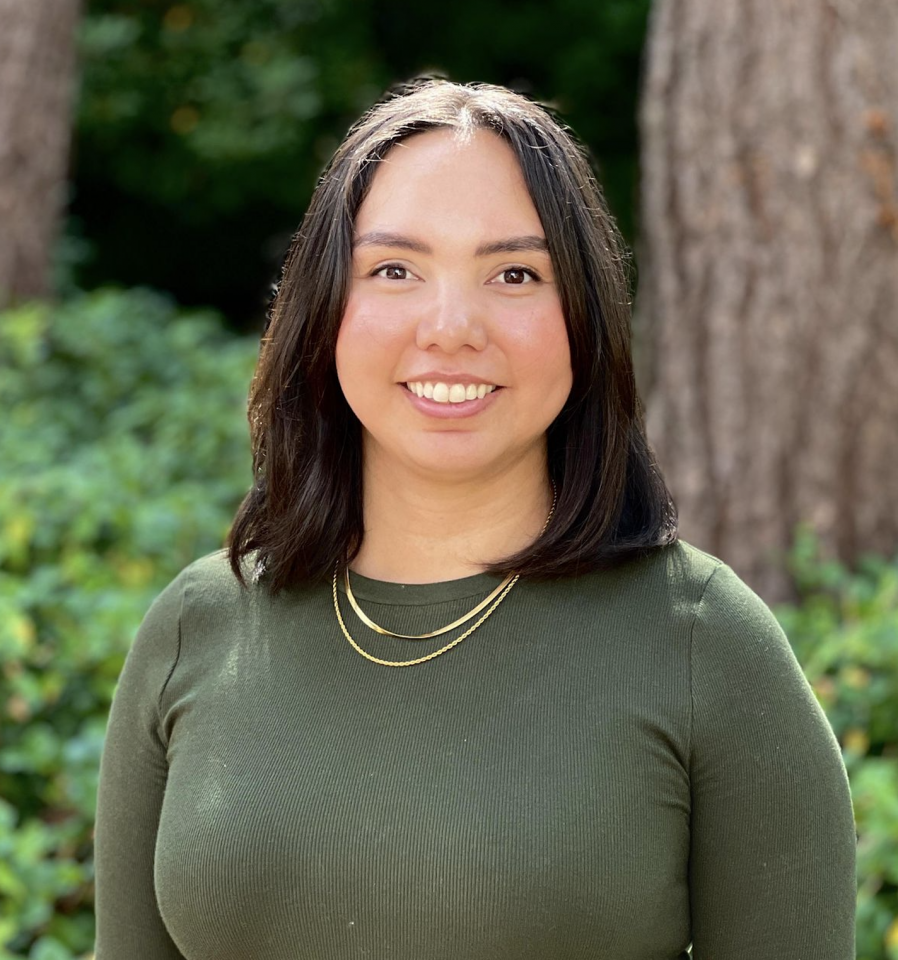
Sarain Squakin
Learning Circle Manager
Sarain is Syilx Okanagan on her mother’s side, and Jicarilla Apache and Belgian settler on her father’s side. She is a proud member of the Syilx Okanagan Nation. Sarain holds a Bachelor of Business Management from UBC Okanagan and has been working in Indigenous health since 2018. Indigenous health and wellness has been a passion of hers since she was young, with many of her interests rooted in community wellness. Sarain is the Learning Circle Manager at the UBC Centre of Excellence in Indigenous Health, where she enjoys facilitating conversations on a range of Indigenous health and wellness topics that centre a wholistic perspective.
Email: sarain.squakin@ubc.ca | Preferred pronouns: she/her/hers

Desiree Louis
Interim Learning Circle Manager
Desiree Louis is a member of Stellat’en First Nation and belongs to the Luksilyoo (Caribou) Clan. She is Dakelh and Cree-Métis and was raised in Vancouver on the territories of the Musqueam, Squamish and Tsleil-Waututh Nations. Desiree recently completed a Master of Community and Regional Planning in Indigenous Community Planning through UBC’s Faculty of Applied Science and holds a Bachelor of Arts in Political Science. Guided by Two-Eyed Seeing, her work bridges Indigenous and Western knowledge systems across community planning, research and relationship-building.
Email: desiree.louis@ubc.ca | Preferred pronouns: she/her/hers
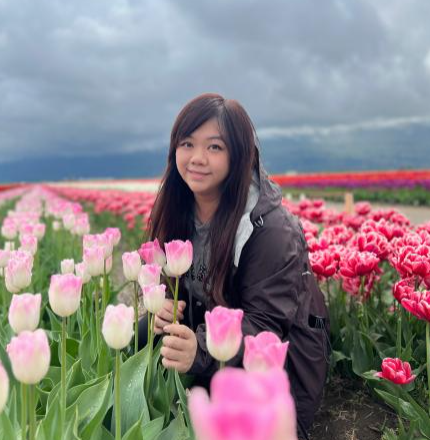
Cynthia Lung
Communications & Marketing; UBCLC Production Coordinator
Cynthia completed her B.Sc. in Combined Major in Science at the University of British Columbia. Cynthia has worked Digital Emergency medicine in the past and now expanding her field in health communication through her new placement at the Centre for Excellence in Indigenous Health. Cynthia hopes to inform her community and promote a healthy nation through empowering people with her production and social communication skills. Cynthia has recently completed studies in Biomedical Visualization and Communication and has an interest in how arts can help better communicate different health issues to empower community.
Email: cynthia.lung@ubc.ca | Preferred pronouns: she/her/hers
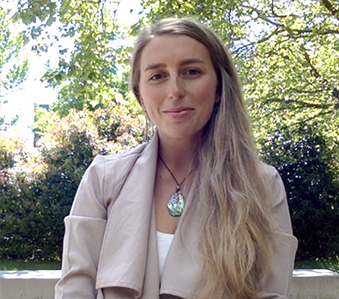
Courtney Smith
UBC 23 24 Co-Associate Director
Courtney Smith is a Scottish highlander from the McLeod clan on her paternal side and is of German ancestry on her mother’s. She was raised on the Sunshine Coast of British Columbia on shíshálh swiya* and has strong ties to the shíshálh community and lands.
Courtney lead the UBC 23 24 Program as the Curriculum Manager for the past four years, focussing on ensuring diverse Indigenous community perspectives were embedded in the curriculum, facilitation approaches and overall program delivery. In addition, a central component of her work has been laying the foundation to expand UBC 23 24 to health sciences faculty, staff and additional student groups.
As one of the UBC 23 24 Co-Associate Directors, Courtney will work to continue ensuring the maintenance, sustainability and growth of UBC 23 24 in the effort to support learners active engagement and practice of Indigenous Cultural Safety (ICS) principles and approaches. A core part of her role is building relationships with diverse Indigenous communities, health authorities, post-secondary institutions, and municipal, provincial and federal governments who are responsible for reconciliation-based, and Indigenous health initiatives. As a second-generation Canadian settler, Courtney is committed to improving relations between Indigenous and non-Indigenous peoples in Canada that are based on respect, reciprocity and healing.
*swiya: ‘swiya’ is she shashishalhem (shíshálh language) word for ‘world’. The word ‘territory’ does not exist in she shashishalhem, thus elders, knowledge keeps and government request that the word ‘swiya’ is used instead.
Email: c.smith@ubc.ca | Preferred pronouns: she/her/hers
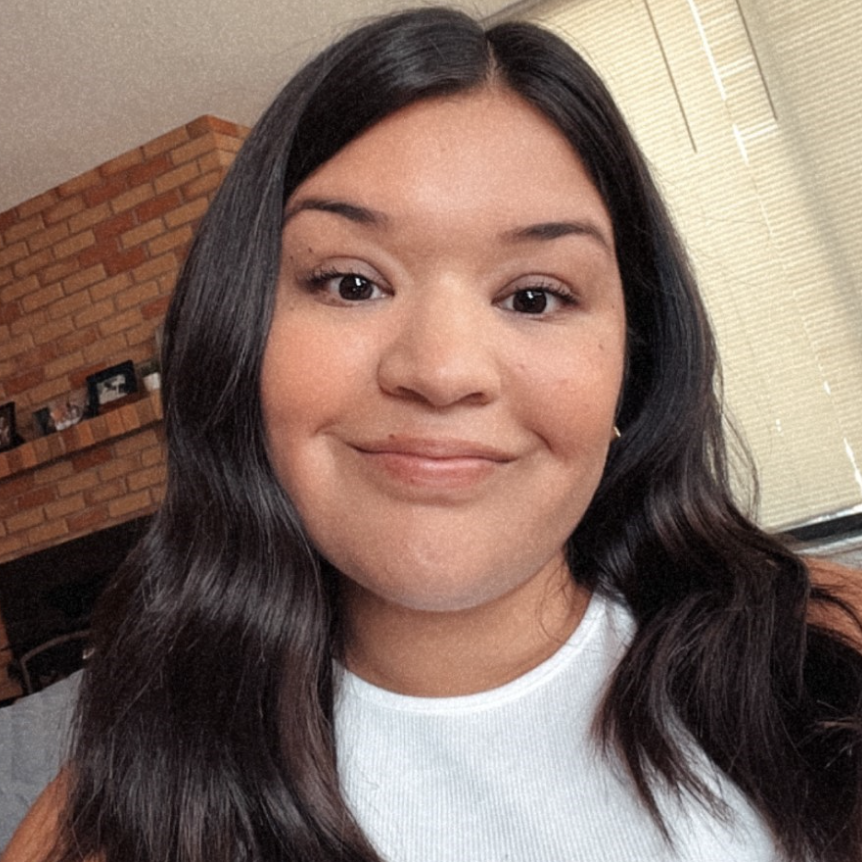
Salina Schmidt
UBC 23 24 Curriculum Manager
Salina Schmidt is a proud member of the shíshálh Nation, she resides within her home community on the Sunshine Coast of British Columbia within the traditional and unceded lands (*swiya) of the shíshálh people.
Salina is incredibly passionate about supporting Indigenous communities through community and consultation-based work. She has had the privileged of collaborating with Indigenous leaders, organizations, and community members to develop and implement programs and initiatives that address their specific needs and goals.
Salina is constantly seeking to expand her knowledge and understanding of challenges faced by indigenous communities. She is actively involved in advocating for policy changes and supporting initiatives that promote equitable opportunities to indigenous peoples. She is grateful for the opportunity to contribute to the betterment of Indigenous communities and is excited to continue this important work with passion and dedication.
*swiya: ‘swiya’ is she shashishalhem (shíshálh language) word for ‘world’. The word ‘territory’ does not exist in she shashishalhem, thus elders, knowledge keeps and government request that the word ‘swiya’ is used instead.
Email: salina.schmidt@ubc.ca | Preferred pronouns: she/her/hers

Teah Bryce
UBC 23 24 Interim Curriculum and Facilitation Manager
Taanishi, Teah dishinihkaashoon, Aen Michif niiya.
Teah is a proud Métis woman on her mother’s side, with mixed European settler ancestry on her father’s side, and is a citizen of Métis Nation British Columbia. Her Métis roots are from St. Albert and the Red River. Some of her Métis family names include Testawich, Carey, Rowand, and Umphreville. She spent most of her life growing up on the lands of the scəw̓aθən məsteyəxʷ (Tsawwassen) people in what is now Ladner, BC.
Teah graduated from the University of British Columbia in May 2024 with a Bachelor of Science in Integrated Sciences, majoring in Genetics and Immunology. Since joining the Centre for Excellence in Indigenous Health, she has contributed to the UBC 23 24 Indigenous Cultural Safety (ICS) program in several roles, including Program Manager for the Summer Science Program, Operations Coordinator, and now Interim Curriculum & Facilitation Manager. She is honoured to support the UBC 23 24 team, facilitators, and partners in advancing Indigenous Cultural Safety education for health professions learners across British Columbia.
In her current role as Interim Curriculum & Facilitation Manager, Teah supports the development, implementation, and continuous growth of the UBC 23 24 ICS curriculum. She works closely with facilitators, Indigenous partners and faculty to create meaningful learning experiences that prepare future healthcare professionals to provide culturally safe care for Indigenous peoples. What calls her to this work is her passion for community-based approaches and the opportunity to work alongside other Indigenous people, Elders, Knowledge Keepers, youth, and role models.
Relationship building and community engagement are central to Teah’s approach. She values creating relational, inclusive spaces in close collaboration with partners, ensuring that students, facilitators, and team members feel heard, valued, and seen. She is passionate about weaving Indigenous knowledge into curriculum through meaningful engagement that honours voices across generations. One highlight of this work was participating in the Gathering Our Voices conference in 2025, where she invited Indigenous youth to share what they wanted future healthcare professionals to understand about cultural safety in healthcare. Their perspectives are helping to inform and strengthen the ongoing development of the UBC 23 24 ICS curriculum, allowing Indigenous youth to speak directly to the next generation of health professionals. Teah sees the UBC 23 24 as one important step in a lifelong learning journey for health professions learners. She is committed to supporting facilitators and learners as they continue to grow in humility, accountability, and their commitment to providing culturally safe care for Indigenous peoples.
Preferred Pronouns: she/her/hers

Georgia Street
Program Manager, UBC Summer Science
Georgia was born and raised on the unceded and traditional territory of the Kwantlen First Nation, on what is now known as Langley, BC. Georgia is of mixed European settler ancestry. Her step-grandmother is Cree from Mistawasis First Nation in central Saskatchewan. This is Georgia’s third year with Summer Science. She has a passion for working with youth in community-based settings and is dedicated to providing an enriching, welcoming, and exciting space for Indigenous youth to explore health and sciences fields of study while they connect with Elders, role models, and peers through cultural activities at camp. One of her favourite memories at camp is learning how to make cedar roses with Elders and students.
Preferred Pronouns: she/her/hers

Our WorkLearn Students

Keira Lumley
Program Assistant, CEIH Communications
Tânisi, Keira nitisiyihkâson. Niya Nehiyaw.
Keira is Plains Cree on her mother’s side and Irish on her father’s side, and is a member of Sucker Creek First Nation on Treaty 8 territory in Northern Alberta. Born and raised on Treaty 6 territory known as Edmonton, Alberta, Keira now resides on the unceded xʷməθkʷəy̓əm (Musqueam), Sḵwx̱wú7mesh (Squamish), and səlilwətaɬ (Tsleil-Waututh) territory while completing their undergraduate degree at UBC.
Presently, Keira is a fifth-year Bachelor of Science student majoring in Integrated Sciences and minoring in Health & Society. Within their major, they are integrating neuroscience and pharmacology and bringing forth interests in Indigenous health and equity through their minor. In the future, Keira hopes to work in either addictions medicine, harm-reduction education, or social work, and hopes to apply an Indigenous lens and bring traditional ways of healing into practice. They are incredibly grateful to be a part of the CEIH team, specifically within the Learning Circle and Summer Science programs.
Preferred Pronouns: she/her/they/them

Krianna Stowbridge
Program Assistant, CEIH Communications
Krianna was raised across Treaty 8 and 11 land in Denendeh (Northwest Territories) and has lived in rural, primarily indigenous communities her whole life. She is a settler of mixed European ancestry from Yellowknife, Yellowknives Dene First Nation land. They now reside as an uninvited guest on the traditional, ancestral, and unceded territory of the xʷməθkʷəy̓əm (Musqueam), Sḵwx̱wú7mesh (Squamish), and səlilwətaɬ (Tsleil-Waututh). This April Krianna completed a Bachelor’s degree in Environmental Sciences with a specialization in Ecology and Conservation. They are passionate about sustainability and community building, and are excited to bring those passions to their work with the Centre for a second time.
Preferred Pronouns: She/her/hers/They/Them

Breeya Matheson
Curriculum Program Assistant, UBC 23 24
Breeya is a mixed Two-Spirit Dehcho Dene woman who is a member of Tthets’éhk’edélî First Nation on the traditional Dene territory of Denedeh (Northwest Territories). She is also a fourth-generation Ukrainian settler on her mother’s side and East-Coast settler on her father’s side. After completing her schooling in Yellowknife NWT, Breeya moved to the traditional and unceded territory of the xʷməθkʷəy̓əm (Musqueam), Sḵwx̱wú7mesh (Squamish), and səlilwətaɬ (Tsleil-Waututh) peoples to attend post-secondary at UBC. Breeya is in their 5th year of the Bachelor of Science program majoring in Cell and Molecular Biology. During her time at UBC, Breeya has been involved in various Indigenous Initiatives across campus such as the šxʷta:təχʷəm student space (formerly the Vancouver Indigenous Student Collegia) and the First Nation’s Longhouse of Learning (FNHL). This involvement and her passion for Indigenous Health eventually led to her join the Centre for Excellence in Indigenous Health in 2022 as a program assistant for the UBC 23 24 team.
Preferred Pronouns: she/her/hers

Ella Hamill
Program Assistant, UBC Summer Science
Ella Hamill is a proud member of the Tsimshian Nation, located in Northern BC. She grew up on the traditional, unceded territory of the Sḵwx̱wú7mesh Nation in Squamish BC, where she learned many of the Sḵwx̱wú7mesh ways and culture. Ella is going into her fourth year at UBC, where she is in the process of completing a Bachelor of Science with a major in Mathematics. Ella is passionate about increasing Indigenous representation in STEM-related fields and supporting Indigenous youth in exploring post-secondary pathways in STEM. The Summer Science Program reflects her passion by allowing her to help Indigenous youth explore STEM post-secondary pathways in a fun and culturally safe space.
Preferred Pronouns: She/her/hers

Kalina Conway-King
Program Assistant, UBC Summer Science
Kalina Conway-King is a fourth year student, within the Native Indigenous Teacher’s Education Program (NITEP). She was born in Yellowknife, North West Territories, and is of Dene, Chipewyan Indigenous ancestry and mixed European settler ancestry. Kalina is majoring within history and arts, with plans to teach in highschools. She has focused on developing her artistic practices in many fields, obtaining an honours diploma in Global makeup, being a member in a local pottery collective and teaching violin to local youth. As a future Indigenous educator, she plans to help shape the minds of future youth through Indigenous pedagogical practices.
Preferred Pronouns: She/her/hers

Jillian Everton
Program Assistant, UBC Summer Science
Jillian was born and raised on treaty one territory in Winnipeg, Manitoba. She is a proud member of the Red River Metis Nation. This is her first year working with summer science. Jillian is passionate about working with Indigenous youth to grow their cultural knowledge as well as her own. She is currently working towards a degree in education and is about to start her second year studying at UBC with the Indigenous Teachers Education program (NITEP). Jillian is focusing on becoming a future educator, and hopefully, role model to indigenous youth.
Preferred Pronouns: She/her/hers

Toryn Daniels
Program Assistant, UBC Summer Science
Toryn is a proud member of the Gitxsan First Nation from rural northwestern British Columbia. He was born and raised on the traditional, ancestral and unceded territory of the Gitxsan Lax’yip on the Gitanmaax reservation. He belongs to the house of Miluulak of the frog clan as was his mother and her mother before her.
Toryn has just completed his Bachelor’s of Kinesiology degree where he had the opportunity to further his knowledge and deepen his passion for health and wellbeing. He is very passionate about working in community and hopes to work in rural Indigenous communities in health and wellbeing promotion.
Preferred Pronouns: he/him/his
Don’t Forget to keep in touch with us via our CEIH Newsletter!
Take a moment to sign up for our CEIH newsletter to to get the latest update in our programming offerings, events, news and more!